
 $150M+ in Goods Value sourced for clients
Shipping and Logistics Services That Simplify Global Trade
Importivity handles every detail of your import logistics, from overseas factory floors to your final destination, ensuring your goods arrive safely, on time, and at the best possible price.
- Verified factories across China, Vietnam, Mexico, and the U.S.
- Factory Audits + Supplier Capability Validation
- Prototyping, Tooling, and Production Scaling Support
- Contracts, QA/QC, and Compliance Built into the Process
Get Your Quote
Tell us what you need and get 3 real quotes.
This form is for brands and product companies manufacturing a physical product at volume, not for dropshipping, single units or off-the-shelf retail orders.
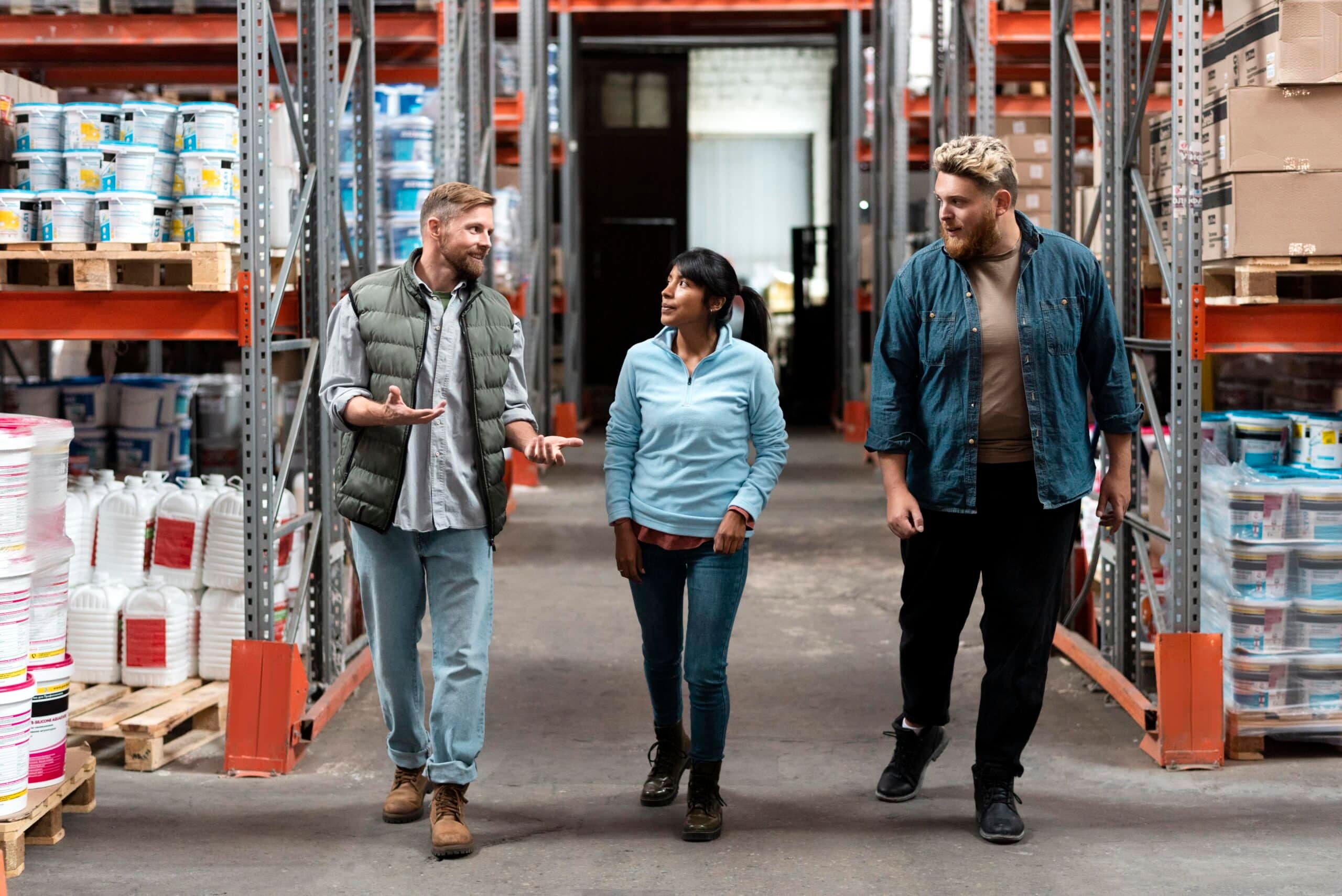
Why Import Logistics Matters More Than Ever
Import logistics is more than just moving goods; it’s the backbone of your global supply chain. Mistakes here cost businesses millions every year in delays, tariffs, and damaged products. Importivity acts as your end-to-end partner, navigating shipping regulations, coordinating freight, and ensuring you avoid costly surprises.
Common Shipping Terms Explained
No more confusion; know what your contracts really mean.
FOB - Free on Board
You book freight · Supplier clears export, Supplier delivers goods to the named port and loads them on the vessel. You take it from there. Risk transfers: When goods are on board at origin port. You handle: Ocean or air freight, insurance, import customs, duties, final delivery.
Use when
- You want carrier choice and rate control
- Your broker and forwarder are in place
CIF - Cost, Insurance, Freight
Supplier books freight · Insurance included, Supplier pays freight and insurance to the destination port. You handle import clearance and delivery from there. Risk transfers: When goods cross the ship’s rail at origin (not at arrival). You handle: Import customs, duties, port fees after arrival, domestic delivery.
Use when
- You want a single ocean rate from the supplier
- Watch for hidden destination fees
DDP - Delivered Duty Paid
All-in price · Supplier handles duties, Supplier is responsible for transport, import clearance, duties, taxes, and delivery to your door. Risk transfers: At your named place of delivery. You handle: Receiving only.
Use when
- You want simplicity and predictable landed cost
- Confirm the supplier is legally able to act as importer of record
EXW - Ex Works
You collect at factory · Supplier minimal role, You pick up goods at the supplier’s premises. You bear all costs and risks from that point onward. Risk transfers: At the supplier’s dock. You handle: Export, freight, insurance, import, delivery.
Use when
- You have strong on-the-ground logistics. Otherwise, EXW is often too risky.
HS Code - Harmonized System
Duty rates · Compliance, The global classification system that determines duty rates, taxes, and eligibility for exclusions or trade deals.
Why it matters
Wrong codes trigger delays, fines, or higher duties. Correct codes enable exclusions or lower rates.
Incoterms - Roles & Responsibilities
Standard rules · Buyer vs seller, International rules that define who pays for what and where risk transfers. Specify the term plus the named place, for example “FOB Shanghai” or “DDP Austin.”
Tip
Always include the named place and verify importer-of-record responsibilities in writing.
*Informational only. Confirm specifics with your forwarder, broker, and legal counsel for your shipment.
Need help choosing terms?
A quick matrix: EXW gives maximum control with maximum risk, FOB balances control and clarity, CIF simplifies ocean booking but watch destination fees, DDP is simplest but requires a capable supplier.
Global Import Export Logistics Expertise
Import logistics is more than just moving goods; it’s the backbone of your global supply chain. Mistakes here cost businesses millions every year in delays, tariffs, and damaged products. Importivity acts as your end-to-end partner, navigating shipping regulations, coordinating freight, and ensuring you avoid costly surprises.
Nearshore Efficiency

Mexico
Mexico is the leading nearshore option for U.S. businesses. With reduced shipping times and tariff advantages under USMCA, it is ideal for automotive, packaging, and industrial components. Importivity provides manufacturer sourcing in Mexico to shorten lead times, simplify logistics, and lower supply chain risk.
Learn moreSpecialty & Sustainable Goods

Vietnam
Vietnam has become one of the most attractive sourcing destinations thanks to lower labor costs and favorable trade agreements. Strong in textiles, plastics, and furniture, Vietnam provides flexibility for both startups and enterprise brands. Importivity manages factory selection, labor compliance, and port logistics to ensure smooth execution.
Learn moreHigh-Scale Production

China
China remains a cornerstone for plastics, electronics, packaging, and consumer goods. Importivity handles factory vetting, MOQ negotiations, and tariff-aware landed cost modeling to protect your margins. With our on-the-ground QA/QC, you access the scale of China while reducing risk.
Learn moreHow Importivity Handles Import Logistics
A-Z solutions… we don’t just move boxes, we move businesses forward.
Freight Coordination
Sea, air, rail, or truck, matched to your deadlines and budget.
Customs Clearance
HS classification, duty management, and tariff mitigation strategies.
Bonded Warehousing
Safe storage and deferred duty payments to protect cash flow.
Last-Mile Delivery
From ports to warehouses to retail shelves, handled without gaps.
Risk Management
Insurance, compliance checks, and proactive tariff monitoring.
Talk to a Sourcing Expert
Have a product in mind? Let our team connect you with trusted manufacturers and provide a transparent, tariff-aware cost estimate fast.
Learn moreSourcing Company Case Studies
Real results from the founder-led brands and client programs we've helped source, scale, and ship.
Frequently Asked Questions
Still have questions?
Our team is happy to help. Browse the FAQ or contact us directly.