
Reliable Supplier Vetting Service
Identify and qualify trusted manufacturers with a structured vetting process that reduces risk, verifies capability, and ensures long term reliability.
Sample validation and quality review
This form is for brands and product companies manufacturing a physical product at volume, not for dropshipping, single units or off-the-shelf retail orders.
Hidden Risks Without Supplier Vetting
When you skip due diligence, costly issues surface later. Our process prevents these failures:
Fake documentation
Factories may present forged licenses or expired certifications.
Poor capacity control
Overselling production capacity leads to missed timelines.
Unverified QC record
Lack of inspection history hides high defect rates.
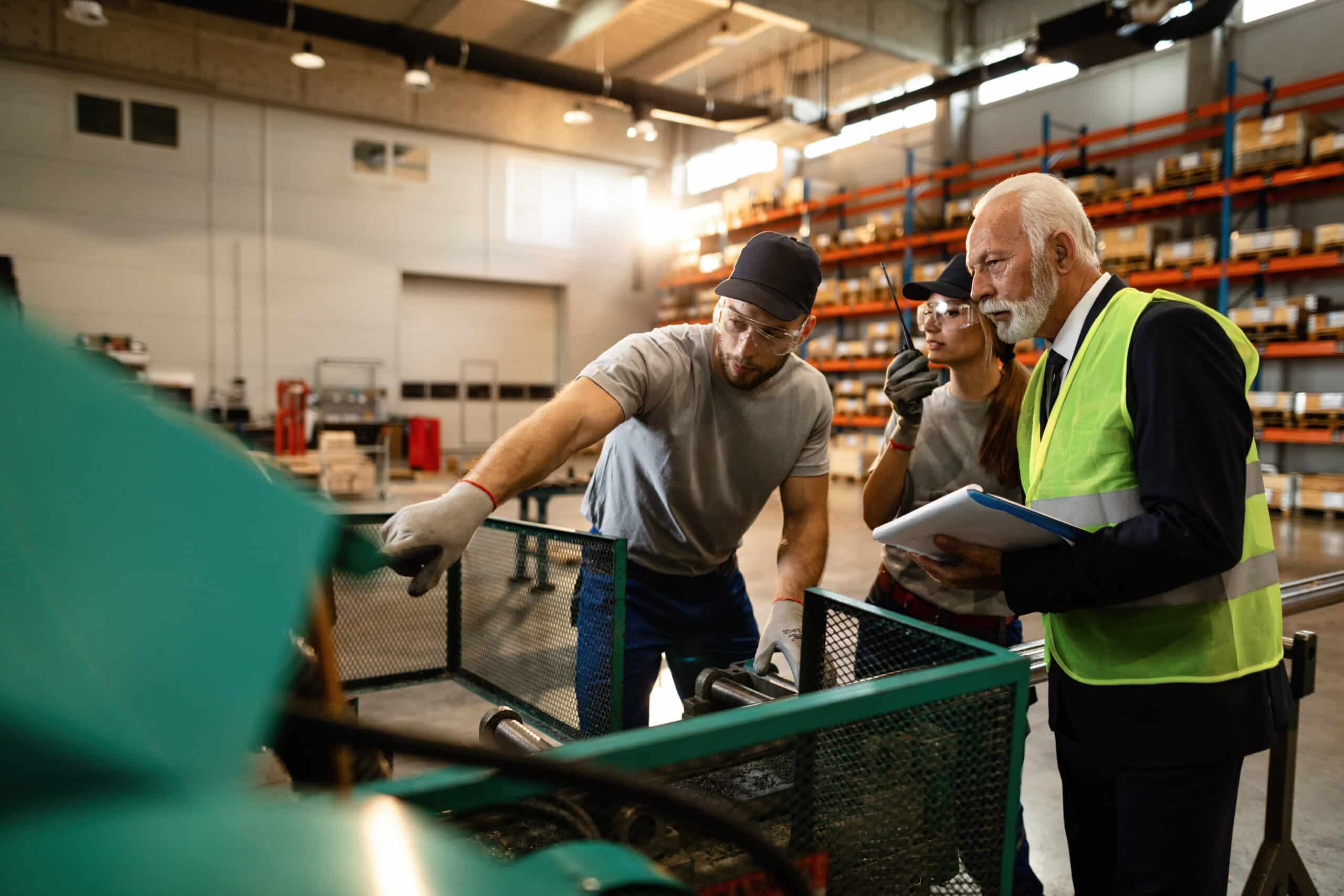
Supplier Vetting Service With Safeguards
Importivity’s structured supplier vetting service protects your brand and ensures trustworthy partnerships:
Entity verification
Verify registration, tax IDs, and legal standing.
Certification checks
Authenticate ISO, UL, CE, and compliance records
Factory audits
Inspect safety standards, processes, and staffing levels.
QC history review
Analyze defect trends and inspection performance.
Red flag reporting
Identify risks like subcontracting or ownership shifts.
How Our Supplier Vetting Works
We follow a proven vetting SOP to confirm each supplier meets compliance, capacity, and quality standards.
Entity validation
Confirm supplier registration, tax records, and ownership details. Ensure legitimacy before moving to audits or production commitments.
Certification check
Authenticate ISO, CE, UL, and other safety or compliance certificates. Prevent fake or expired documentation from slipping into your supply chain.
Audit and site review
Inspect production lines, equipment, and workforce conditions. Evaluate operational discipline and compliance with industry standards.
Capacity assessment
Measure machinery utilization, daily throughput, and staffing adequacy. Confirm the factory can meet your forecasted demand reliably.
QC history analysis
Review past inspection reports, defect rates, and AQL acceptance levels. Understand supplier consistency and long-term quality reliability.
Red flag reporting
Identify risks such as unapproved subcontractors, forged records, or sudden ownership shifts. Provide clear mitigation recommendations before contracts.
Vetting Cost and Timeline Overview
Upfront diligence saves downstream costs. Pricing depends on location, audit scope, and monitoring depth. Key drivers include:
Factory location and travel inspection fees
Costs vary widely depending on supplier country and required on-site audit travel.
Certification complexity and verification needs
Deeper checks for ISO, CE, or UL certifications increase review time and expense.
Product category compliance requirements
Plastics, metals, and electronics each demand unique compliance validation and reporting.
QC history depth and reporting hours
More detailed analysis of past inspection data requires greater analyst effort.
Ongoing monitoring frequency
One-off vetting is cheaper, while recurring audits raise budget but strengthen long-term reliability.

Results From Supplier Vetting Service
Companies partnering with Importivity achieve measurable gains:

−28% defect rate
Clients cut recurring quality issues by nearly a third. By screening out unreliable suppliers early, costly production errors never reach shipping.

42% faster launches
Capacity checks eliminate bottlenecks before they start. This speeds up new product introductions and ensures smoother scaling to market demand.

3 major risks flagged
Our audits uncover hidden supplier problems before contracts. From fake certificates to unauthorized subcontractors, red flags are caught in time.
Where Sourcing Companies Win Our Factory Network
Transparent cost, duty, lead time, and risk across China, Vietnam, Mexico, and the United States so your first articles pass and production holds spec.

China
- Deepest bench for complex CNC + finishes (anodize, e-coat, zinc, passivation)
- Scale pricing for multi-op parts and assemblies
- Mature supply chains & tooling; fast fixture iteration

Vietnam
- Excellent sheet metal & assembly value; CNC capability improving quickly
- Tariff relief vs. China with competitive labor and solid QA culture
- Great for enclosures, brackets, light fab with paint/powder

Mexico
- Nearshore speed and easier on-site visits (same/similar time zones)
- Strong for heavier-gauge fab, frames, weldments and final assembly
- Truck lanes cut transit time; lower inventory risk vs. ocean

United States
- Best for urgent prototypes, regulated parts, and IP-sensitive builds
- Shortest lead times and easiest change control with local teams
- Ideal for low-volume/high-mix or tight DFM collaboration
Frequently Asked Questions
Still have questions?
Our team is happy to help. Browse the FAQ or contact us directly.